Use of platelet-rich plasma for the treatment of advanced osteoarthritis in the elderly.
R$ 0,00
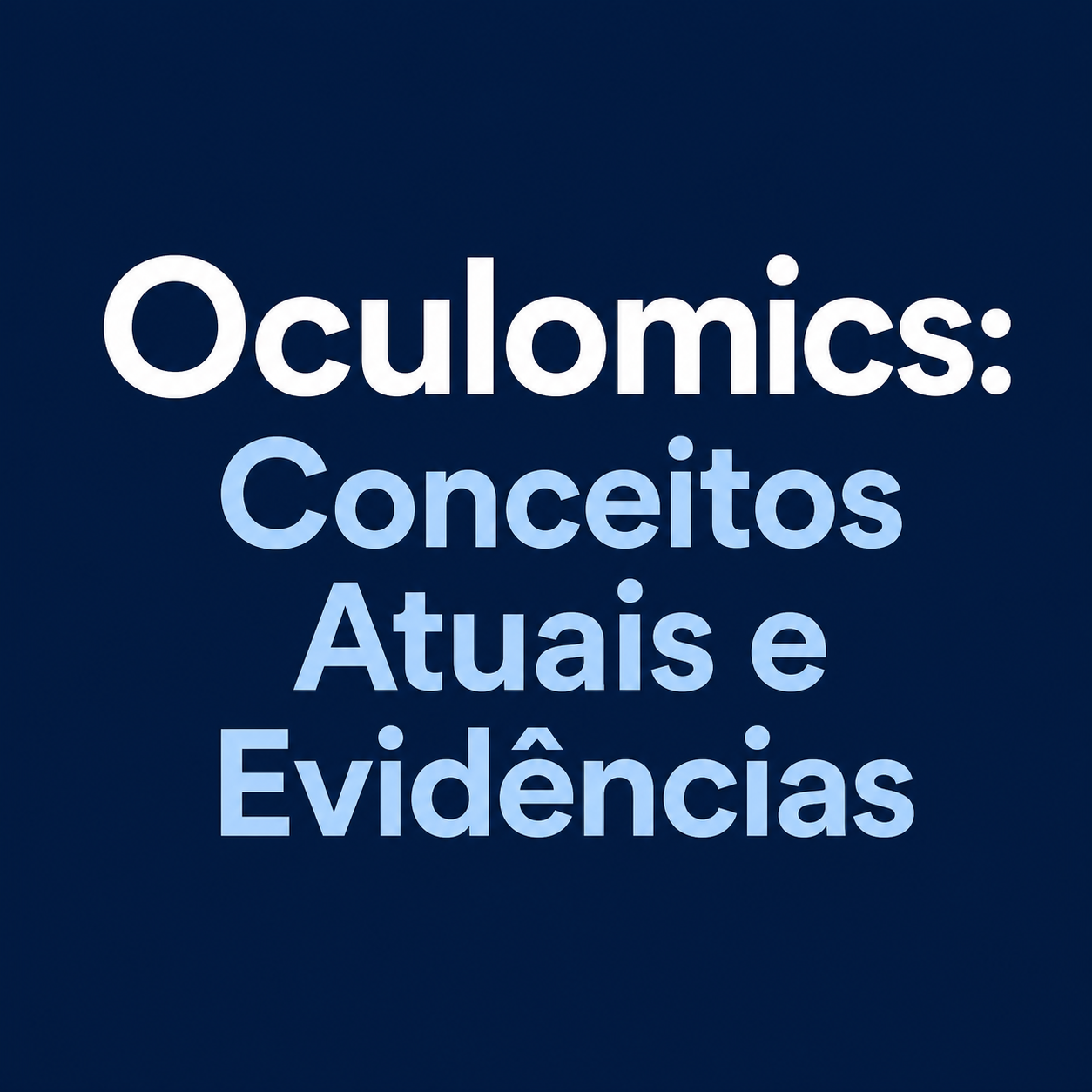
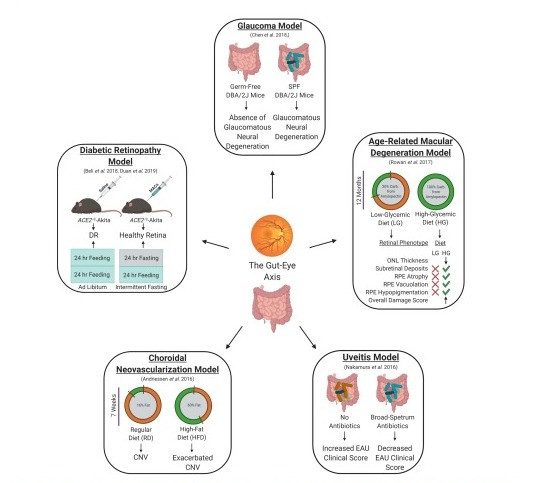
For decades, the eyes were considered merely the organ of vision. Today, thanks to advances in artificial intelligence, medical imaging and data science, they have come to be recognized as one of the most important windows into the health of the entire body.
Oculomics is a new field of medicine that uses biomarkers obtained from eye examinations — especially retinal images — to identify, predict and monitor systemic diseases. Going far beyond the diagnosis of ophthalmic diseases, this approach makes it possible to detect changes related to biological aging and to cardiovascular, neurodegenerative, renal, metabolic and hepatic diseases, among others.
The development of Oculomics was made possible by the convergence of three major technological advances:
In this context, the retina is no longer just an ocular structure and comes to represent a true digital biomarker of systemic health, enabling a fast, non-invasive and highly scalable assessment of an individual's biological state.
More than a technological innovation, Oculomics ushers in a new way of understanding medicine: preventive, personalized and data-driven. By integrating ophthalmology, artificial intelligence and precision medicine, this field has the potential to transform how diseases are detected, monitored and prevented, consolidating the concept that the eyes reflect much more than vision — they reflect the health of the whole body.